Reviewing 100 Days of Cray Cray for Embroidery
As a designer who spends half my life digitizing and the other half stitching, I approach every new machine embroidery design with a mix of curiosity and skepticism. We have all been there: you download a cute graphic, load it onto your machine, and watch in horror as the thread bunches up or the details vanish into the fabric. That is why I took a close look at 100 Days of Cray Cray 100 Days of School. This isn’t just another seasonal clipart; it is a potential staple for spring craft fairs and boutique orders, but only if handled with the right technical eye.
First Impressions and Visual Personality
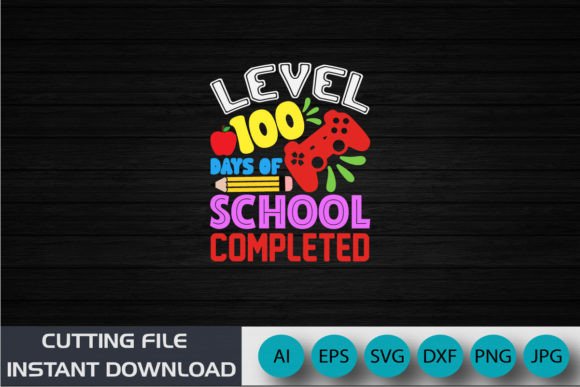
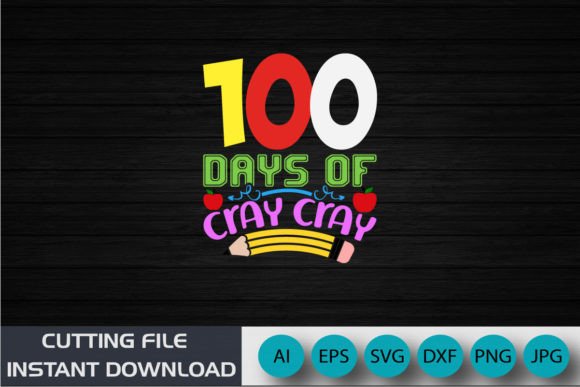
The moment I pulled up the files for 100 Days of Cray Cray 100 Days of School, the playful energy was undeniable. The theme taps directly into the chaotic joy of elementary school milestones. For an embroidery project, this matters because the mood needs to translate through thread. The layout suggests a fun, slightly whimsical vibe that appeals to parents, teachers, and kids alike. However, viewing it as a digital asset is different from seeing it stitched out. The "cray" element implies bright, bold colors, which means your choice of thread colors will make or break the final look. If the original file is marketed under T-Shirt Designs or general Graphics, it likely relies on clean lines and solid shapes. In embroidery, we need to ensure those shapes hold their integrity without excessive density.
Real-World Application: The Sweatshirt Test
To truly evaluate this design, I imagined a real-life scenario: a custom order for a local mom who wants matching outfits for her kindergarten twins. She chose heavy cotton sweatshirts. This is where 100 Days of Cray Cray 100 Days of School shines. Sweatshirts provide a stable, thick canvas that can handle moderate stitch density without puckering. I visualized placing the design on the left chest or centered on the back. The text-heavy nature of the phrase requires careful attention to legibility. If the design includes tiny details meant for screen printing, they might get lost in a satin stitch or fill stitch conversion. As an experienced reviewer, I advise checking if the file you are using is already digitized for embroidery or if it is an SVG intended for cutting machines like Cricut or Silhouette. If it is the latter, you must digitize it yourself or hire a professional to convert those vector paths into a functional embroidery file.
Considerations for Small Hoops and Caps
Not every project offers a large, flat surface. If you plan to use this design on a cap or a small embroidered patch, you need to be cautious. Curved surfaces like baseball caps distort designs. The phrase "100 Days of Cray Cray" is long. On a small hoop size, the text might become too small to read clearly. I recommend scaling the design down only if the smallest letters remain at least 4-5mm tall. Anything smaller risks thread breaks and poor readability. Furthermore, when stitching on textured fabrics or stretchy materials, the stability of the design is paramount. Without proper stabilization, the playful curves could turn into jagged edges.
Fabric and Stabilizer Strategy
The success of 100 Days of Cray Cray 100 Days of School depends heavily on your foundation. For a tote bag design using canvas, a cut-away stabilizer is non-negotiable. Canvas moves, and if you use a tear-away, the design may pucker after washing. For lighter fabrics like a baby onesie or a kitchen towel, you must use a lightweight cut-away or a strong tear-away with a top stabilizer. The stitch density should be adjusted based on the fabric. High density on thin fabric causes stiffness and discomfort, which is a dealbreaker for baby embroidery items. Always test on scrap fabric first. This simple step saves hours of frustration and protects your reputation as a seller.
Color Contrast and Thread Selection
Since the theme involves crayons, color is key. However, in embroidery, less is often more. Using ten different thread colors for a small design increases production time and the risk of thread breaks. I suggest limiting the palette to three or four dominant colors that capture the essence of the crayon box without overcomplicating the stitch path. High contrast between the thread and the fabric ensures the design pops. If you are stitching on dark fabric, consider using a lighter underlay or choosing threads with a slight sheen to catch the light. This enhances the visual appeal and makes the finished product look professional rather than homemade.
Commercial Viability for Etsy Sellers
For Etsy sellers and small shop product creators, timing is everything. The 100th day of school is a specific niche market. Having a ready-to-stitch version of 100 Days of Cray Cray 100 Days of School in your library allows you to offer quick turnaround personalized gift options. Parents love custom apparel, and teachers appreciate unique classroom decor. However, you must verify the licensing terms. Just because you downloaded an SVG does not mean you have the right to sell the digitized embroidery file. Usually, you can sell the physical handmade product, but reselling the digital file is prohibited. Always read the license included with your purchase.
Moreover, consider how this design fits into your brand consistency. If your shop specializes in minimalist aesthetics, this playful, colorful design might feel out of place. But if your brand is about fun, vibrant, and kid-friendly items, it is a perfect fit. Use printable mockup tools to preview how the design looks on various products before you commit to stitching. This helps in creating compelling listings that attract buyers.
Technical Checks Before You Stitch
Before loading 100 Days of Cray Cray 100 Days of School onto your machine, run through this checklist:
- Check the format: Ensure you have the correct file type for your machine (PES, DST, JEF, etc.). If you only have SVGs, you need embroidery software to convert them.
- Inspect the pathing: Look at the stitch sequence. Does it jump excessively? Efficient pathing reduces thread waste and production time.
- Review density: Is the fill too dense for the intended fabric? Adjust if necessary to prevent stiffness.
- Test stitch: Always run a test on similar fabric with the same stabilizer you plan to use for the final item.
- Verify details: Zoom in on the smallest elements. Are they wide enough to stitch cleanly? If not, simplify or enlarge.
Final Verdict on Design Utility
In the world of commercial embroidery and craft business ventures, reliability is king. 100 Days of Cray Cray 100 Days of School has the potential to be a bestseller if treated with respect for the medium. It is not just a graphic; it is a texture, a color story, and a tactile experience. By paying attention to hoop size, stabilizer choice, and thread contrast, you can transform a simple digital file into a cherished keepsake. Whether you are making a holiday embroidery gift, a custom apparel piece for a client, or stocking up for a spring craft fair, this design offers a playful narrative that resonates with its audience. Just remember: the difference between a good product and a great one lies in the details of execution. Stitch smart, test often, and let the creativity flow.